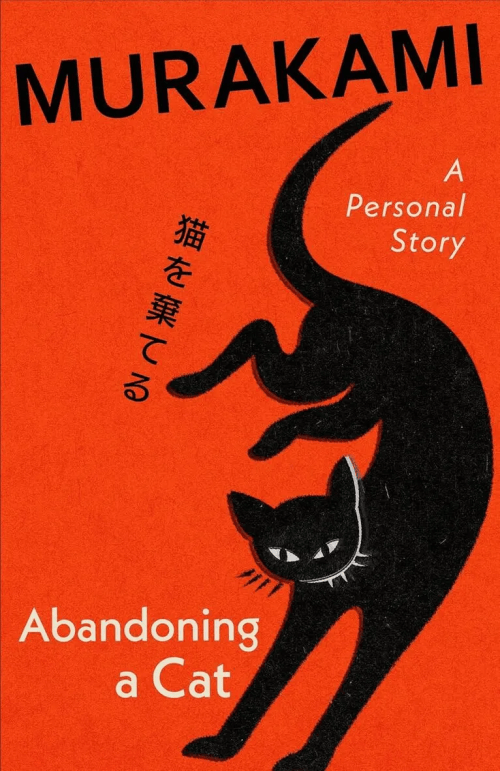
I’m reading Haruki Murakami’s Abandoning a Cat: A Personal Story. It was originally published as a personal essay in The New Yorker and is now released as a standalone 80-page book.
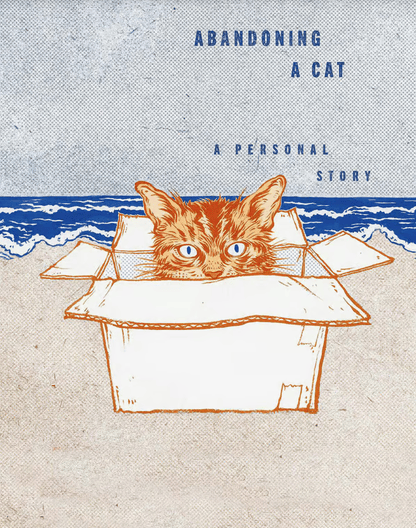
In the afterword, Murakami explains that he had wanted to write about his father for years but couldn’t find a way to begin. Then he remembered a trip to the seaside when he and his father went to abandon a cat.
That small, uneasy memory finally gave him a starting point and opened the door to a much larger story. From there, he follows fragments of his father’s life, including his love of literature and haiku, his experience of war, and the ways those experiences shaped him.
Murakami wanted to show how war can transform an ordinary person and alter the course of a life. He also reflects on how his father’s fate shaped his own existence: if events had unfolded even slightly differently, Murakami (born after the war) might never have been born. His own existence, he reflects, depended on the many events and possibilities that shaped his father’s life.
The cat, the father and the son all meet in that fragment of history, showing how chance events and choices can shape the lives that follow.
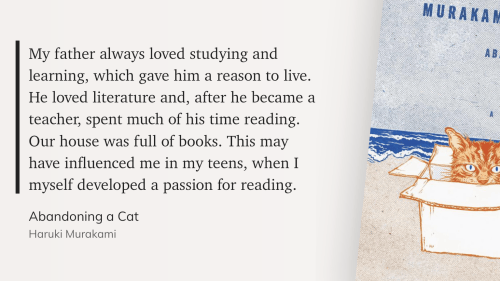
Reading this helps me understand Haruki Murakami a little more. He writes about his father with curiosity and uncertainty, piecing together what he knows while acknowledging what he cannot fully know. I closed the book thinking about how the past shaped us, even when we were born after it. Loved it.


I’d love to hear your thoughts. Do share! 🖤